Cocktail Bars in Tokyo
23 cocktail bars in Tokyo, including nine on the 50 Best world list and 22 on Asia's 50 Best.
 ★ TOP 1050 BESTCocktail Bar
Bar Benfiddich
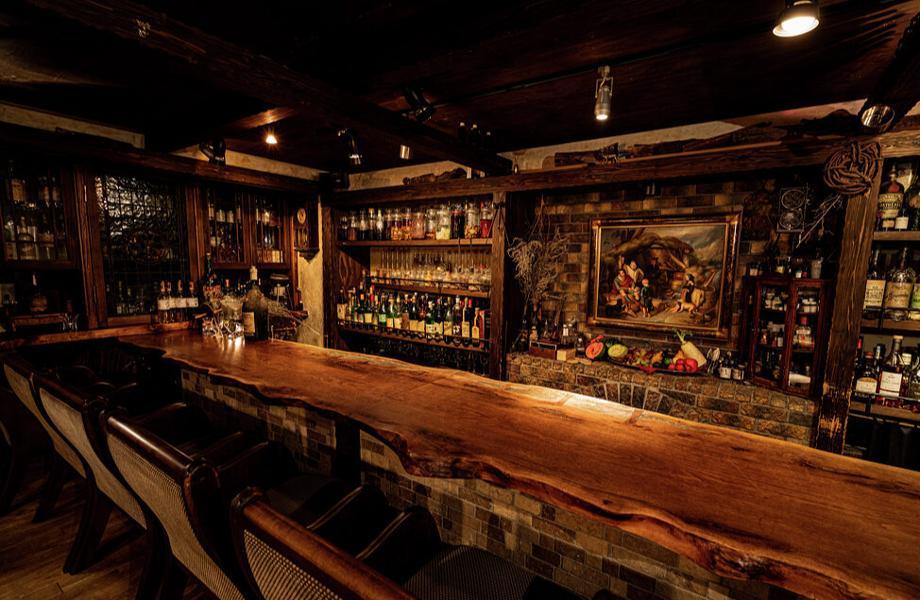
Hiroyasu Kayama grows his own botanicals on a farm in Tokigawa, Saitama and carries them into a ninth-floor Shinjuku bar where every cocktail begins with produce he harvested personally. Ranked No. 44 on The 50 Best Bars 2026 (No. 18 in 2025) and No. 9 on Asia's 50 Best Bars, earning Best Bar in Japan, Benfiddich operates as a farm-to-counter manifesto. Kayama crushes spices by hand in a brass mortar at the bar, distils ingredients in-house, and builds drinks that taste of specific seasons in specific Japanese soil. No other bar program on earth is this directly connected to the land. It sits at No. 62 on the Asia's 50 Best Bars 51-100 list in 2026.
9F Yamatoya Building, 1-13-7 Nishishinjuku, Shinjuku-ku, TokyoDaily 19:00-01:00 (Closed Sun)Full profile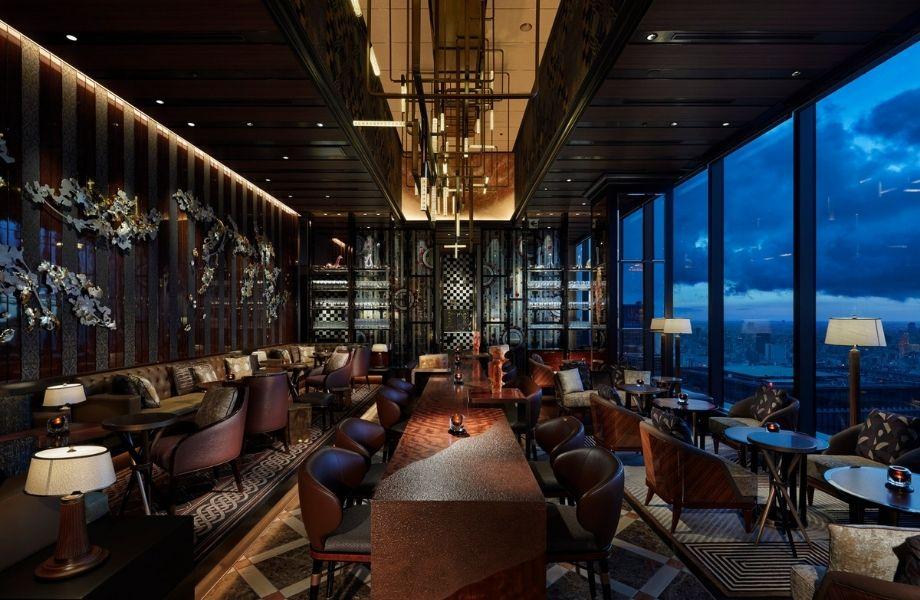 ★ TOP 1050 BESTHotel Bar
Virtù
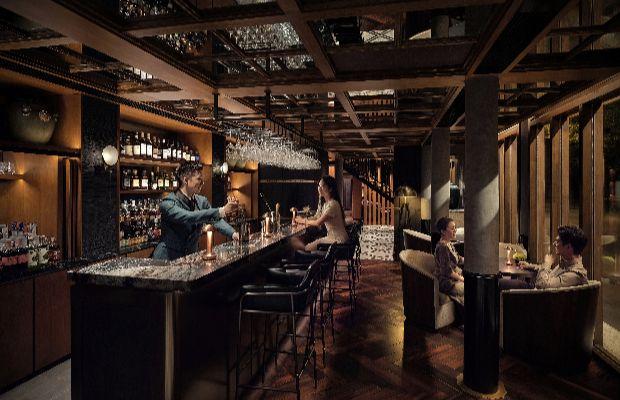
Head Bartender Keith Motsi runs the Four Seasons Tokyo's cocktail program at No. 48 on The 50 Best Bars 2026 (No. 45 in 2025), combining luxury hotel resources with a personal style shaped by years working across continents. The room delivers the polished service architecture that Four Seasons guests expect, but the drinks carry an edge, unexpected infusions, asymmetric flavor profiles, a willingness to challenge rather than merely comfort. Virtù won Tatler's bar award and sits at No. 18 on Asia's 50 Best. The hotel bar elevated into something more personal than institutional. It was a Top 4 finalist for Best International Hotel Bar at the 2026 Tales of the Cocktail Spirited Awards.
39F, Four Seasons Hotel Tokyo, 1-2-1 Otemachi, Chiyoda-ku, TokyoFull profile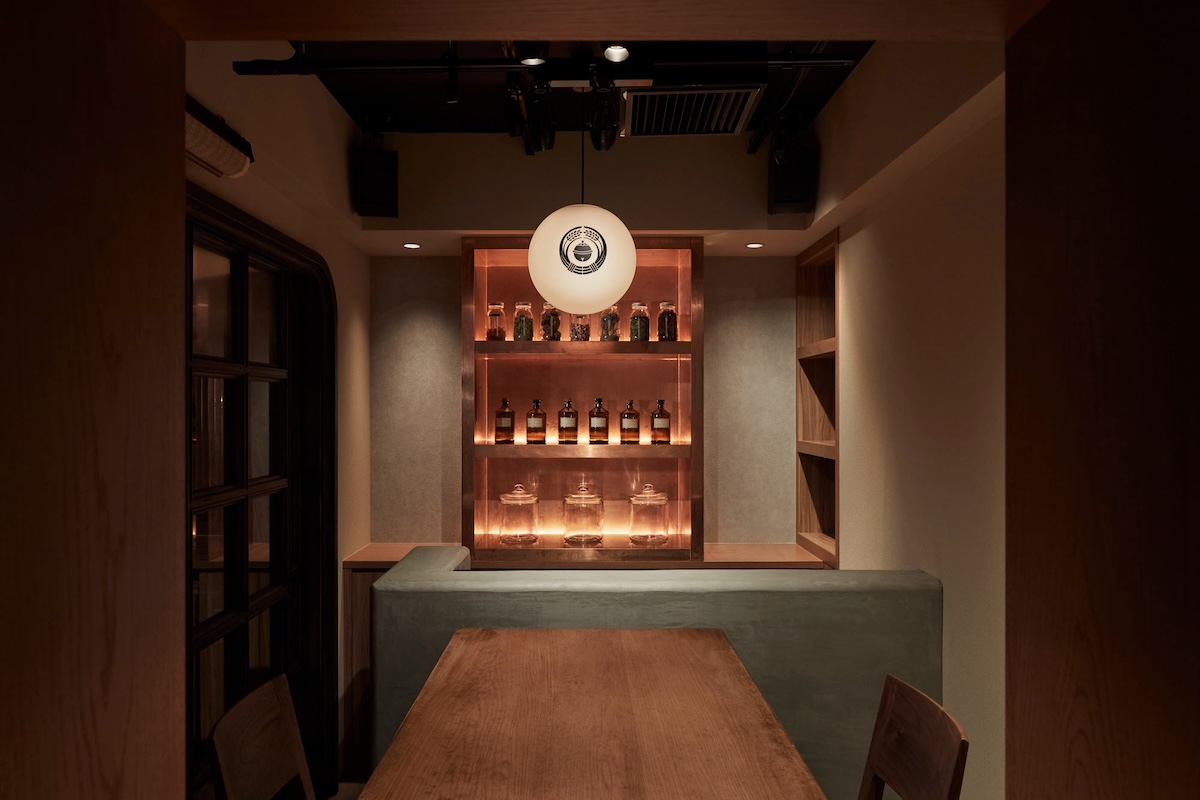 ★ TOP 1050 BESTCocktail Bar
The Bellwood
Atsushi Suzuki, 2017 Chivas Masters champion, applies kaiseki principles to cocktail construction, building multi-course drink sequences that mirror the progression of a traditional Japanese meal. Ranked No. 100 on The 50 Best Bars 51-100 list in 2026, after No. 48 in 2025, The Bellwood treats each sitting as a complete narrative: opening with something light and palate-cleansing, building through complexity, and closing with a drink that functions as dessert. Suzuki's Shibuya bar proves that the omakase format works as powerfully with spirits as it does with fish. It currently stands at No. 79 on the Asia's 50 Best Bars 51-100 list in 2026.
41-31 Udagawacho, Shibuya-ku, Tokyo 150-0042Daily 18:00-02:00Full profile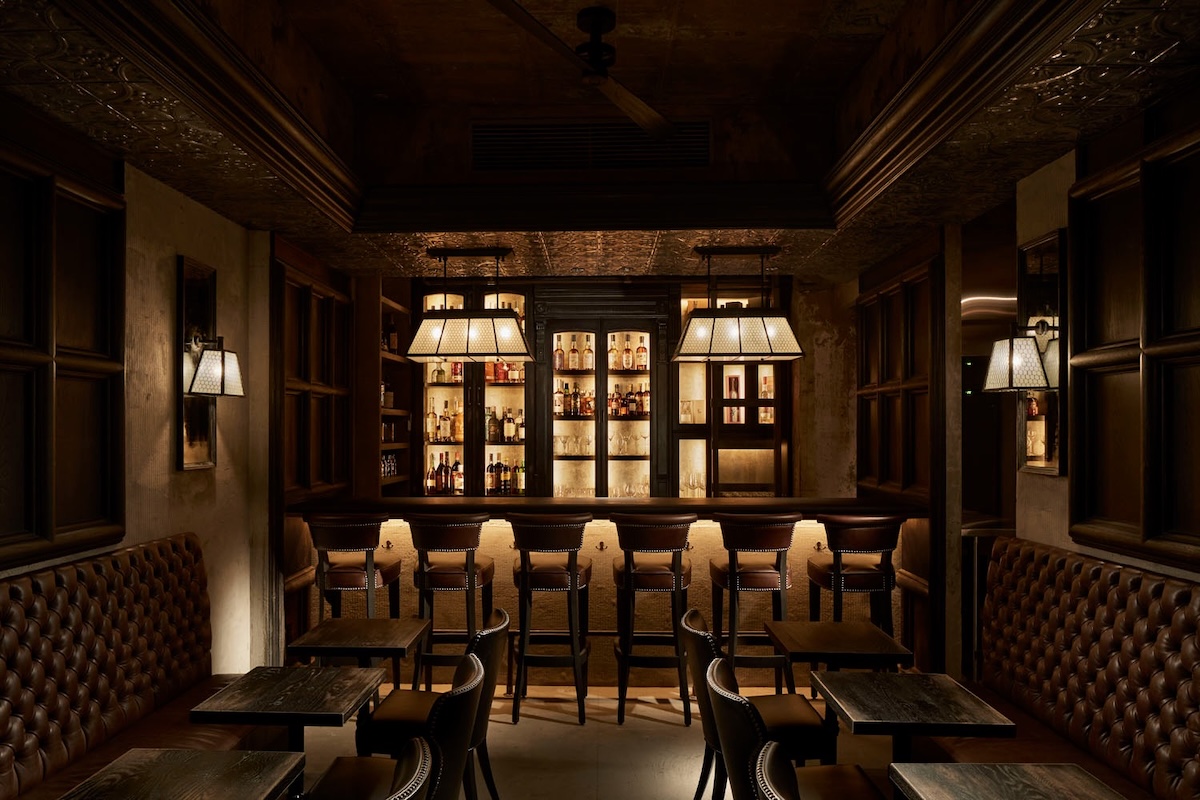 ★ TOP 1050 BESTCocktail Bar
The SG Club
Shingo Gokan's Shibuya flagship spent six consecutive years on Asia's 50 Best Bars, and was No. 65 on The World's 50 Best Bars 51-100 list in 2025, then No. 88 on The 50 Best Bars 51-100 list in 2026. The split-level concept, Guzzle on the ground floor for casual highballs, Sip in the basement for precision cocktails, prefigured the dual-venue format that Gokan later exported to New York. The SG Club functions as both a neighborhood bar and an industry pilgrimage site, a combination that only the most generous operators manage to sustain. Gokan's hospitality philosophy starts and ends here.
1-7-8 Jinnan, Shibuya-ku, TokyoSun-Thu 17:00-02:00, Fri-Sat 17:00-03:00Full profile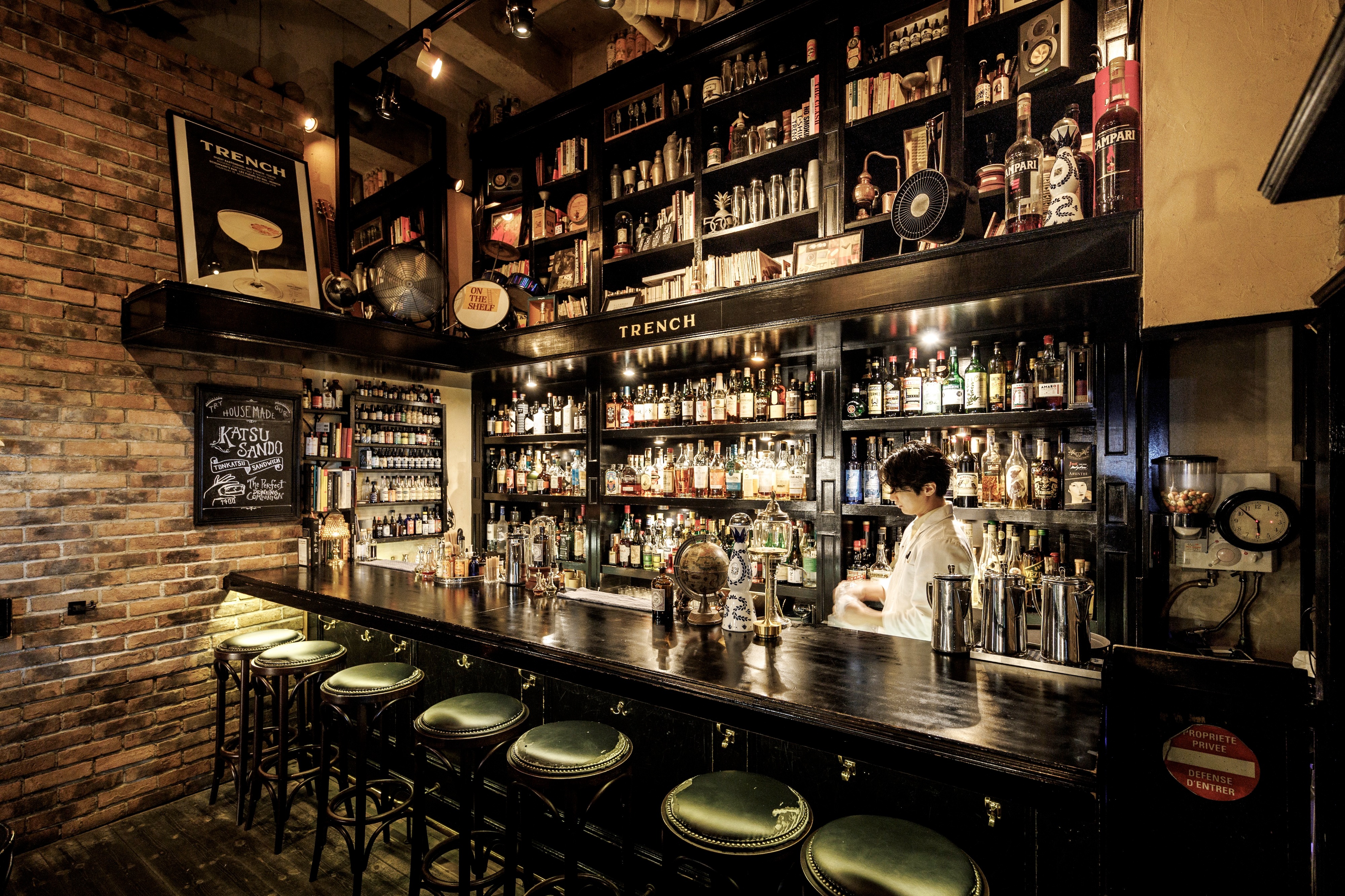 ★ TOP 1050 BESTCocktail Bar
Bar Trench
Rogerio Igarashi Vaz opened Bar Trench in Ebisu in 2010, continuing the absinthe lineage of Bar Tram while building something with broader ambitions: a social cocktail bar at heart, with a tightly curated three-cocktail absinthe section that nods to the venue's heritage without defining it. Ranked No. 74 on The 50 Best Bars 51-100 list in 2026, after No. 94 on the 51-100 list in 2025, Bar Trench is a neighborhood room that draws regulars and pilgrims in equal measure, with signatures and classics built around Vaz's deep knowledge of his subject. The room carries the dark, atmospheric quality of a European apothecary, and the conversation across the bar runs as long as the menu invites it. It currently stands at No. 53 on the Asia's 50 Best Bars 51-100 list in 2026.
1-5-8 DIS Bld.102, Ebisu-nishi, Shibuya, Tokyo 150-0021Daily 18:00-02:00Full profile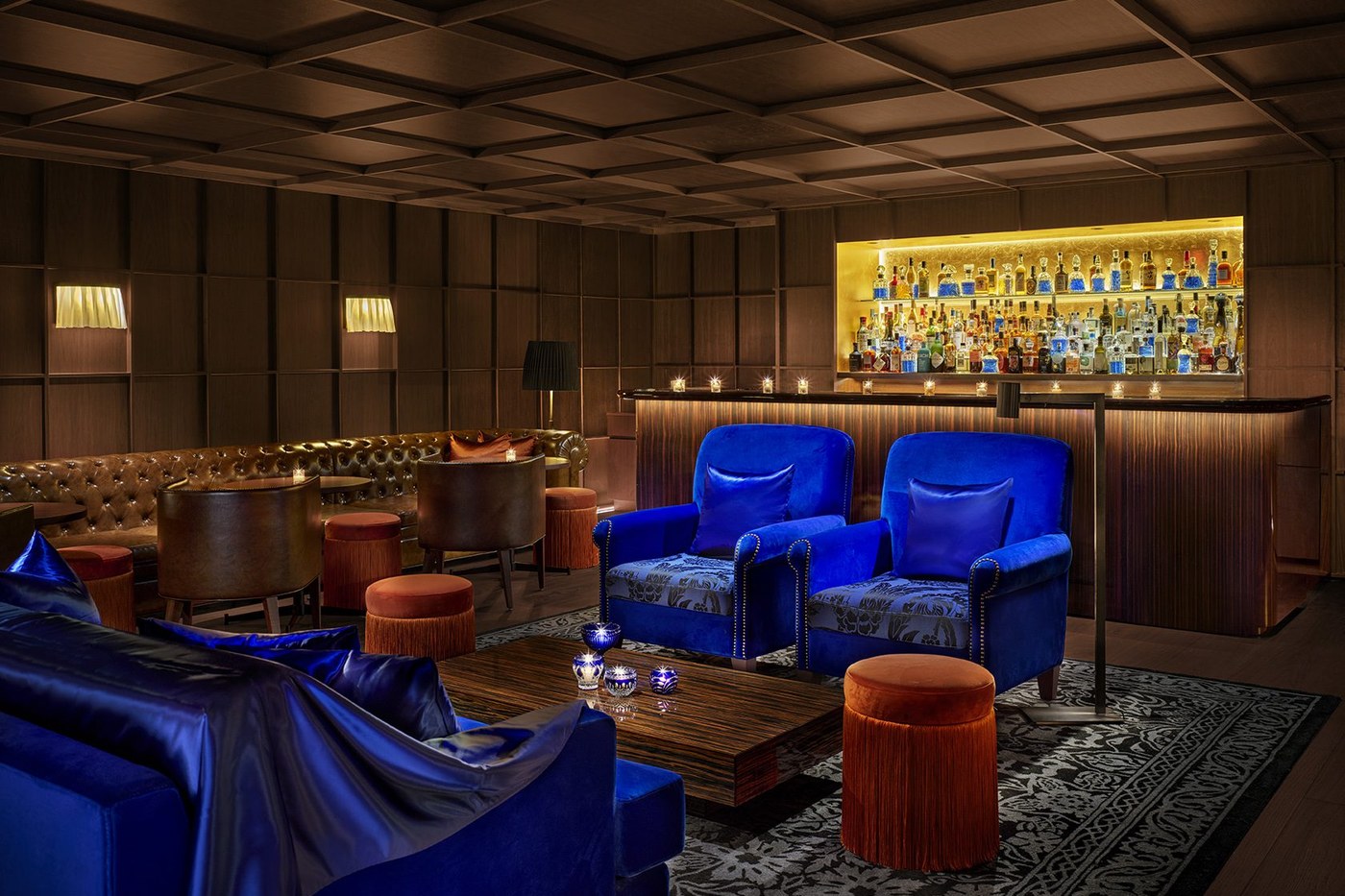 ★ TOP 10ASIA'S 50 BESTCocktail Bar
Punch Room Tokyo
A London gin palace concept transplanted to Ginza under the direction of Yasuhiro Kawakubo, Punch Room held No. 36 on Asia's 50 Best by centring its program on communal punch bowls built with Japanese spirits. The format encourages sharing in a city where solo drinking dominates, and the fusion of British punch tradition with Japanese distillation, rice shochu, craft sake, domestic gin, creates something that belongs to neither culture entirely. The room glows with warmth and candlelight. The bar holds No. 23 on Asia's 50 Best Bars 2026.
2F The Tokyo EDITION, 2-8-13 Ginza, Chuo-ku, TokyoTue-Thu 18:00-00:00, Fri-Sat 18:00-02:00, Sun-Mon closedFull profile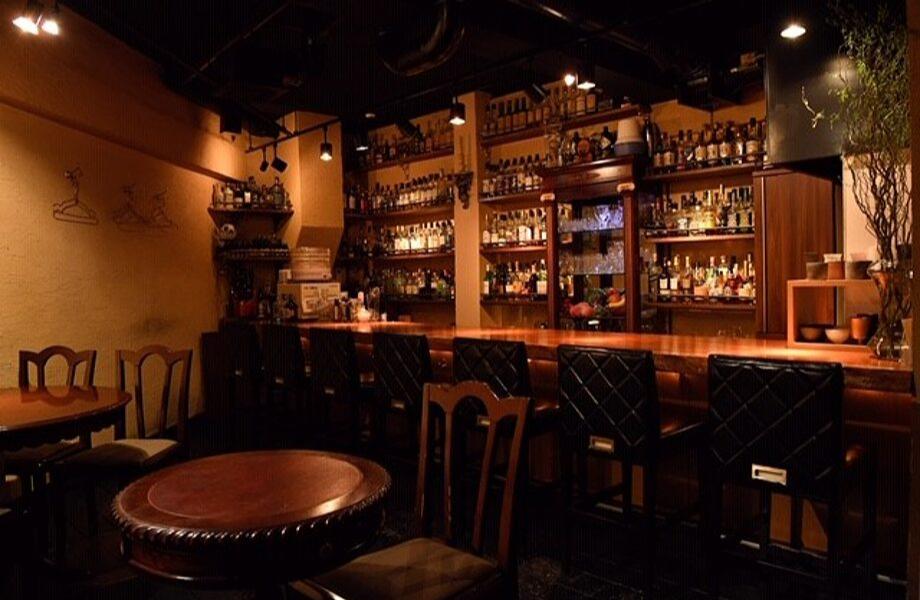 ★ TOP 10ASIA'S 50 BESTCocktail Bar
Bar Libre
Yujiro Kiyosaki runs an Ikebukuro program built on advanced technique, liquid nitrogen, barrel aging, centrifugal clarification, that entered Asia's 50 Best at No. 49 as a new entry in 2025. The cocktails showcase process without fetishising it: every technological intervention serves a flavor goal rather than a visual one. Bar Libre represents the technical wing of Tokyo's bar scene, where science and taste converge under the watch of a bartender who treats innovation as a daily practice rather than a marketing strategy. Tokyo's bartenders approach their craft with an intensity that borders on devotion, and the result is a city where a Tuesday night drink at a Ginza counter can rank among the best experiences of your year. The scene needs no validation from abroad, but it earns it anyway. Go before the secret gets louder. It currently stands at No. 39 on Asia's 50 Best Bars 2026.
B1F, 3-25-8 Nishiikebukuro, Toshima City, TokyoDaily 18:00-02:00Full profile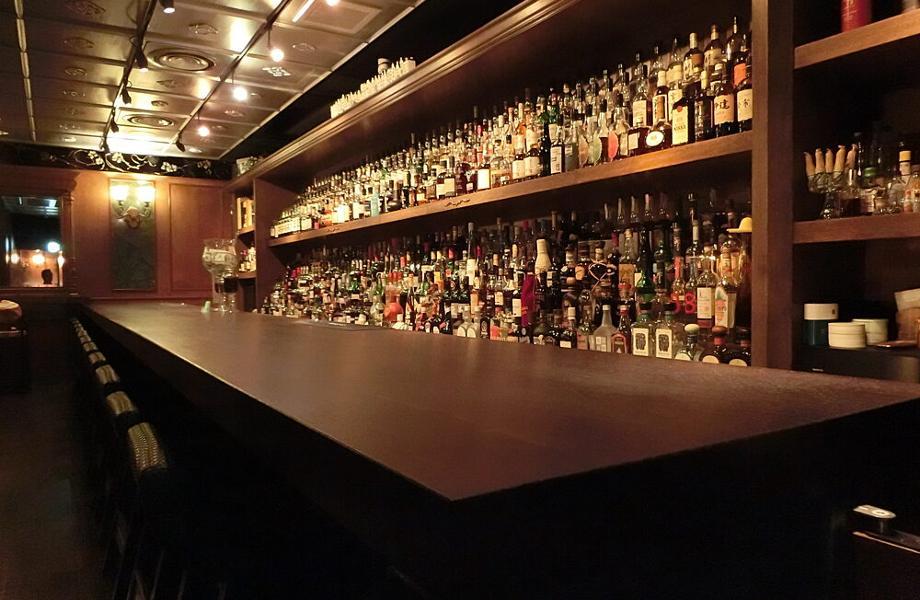 ★ TOP 1050 BESTCocktail Bar
Bar High Five
Hidetsugu Ueno operates without a menu, guests describe a mood, a flavor, a memory, and Ueno constructs a drink in response. Granted Heering Legend status by the global industry, this Ginza institution represents the apex of Japanese bartending's conversational tradition. Ueno's ice carving alone justifies the visit: a single block transformed into a perfect diamond through hand cuts that take minutes and waste nothing. Bar High Five does not chase rankings. Rankings chase it.
Efflore Ginza5 Bldg. BF, 5-4-15 Ginza, Chuo-ku, 104-0061Mon-Sat 17:00-01:00 (last entry 00:00); closed Sundays and national holidaysFull profile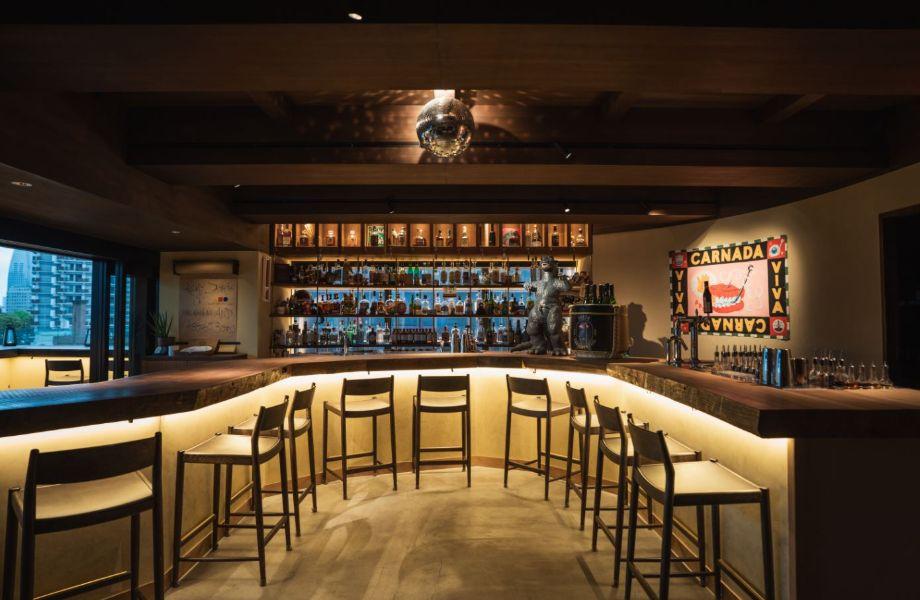 ★ TOP 10ASIA'S 50 BESTCocktail Bar
Tokyo Confidential
Holly Graham, drinks journalist turned bar owner, built this Azabu-Jūban venue around a bar top carved from reclaimed shrine wood, and the material sets the tone for a program rooted in Japanese cultural heritage reinterpreted through a global lens. Ranked No. 70 on the Asia's 50 Best Bars 51-100 list in 2025, Tokyo Confidential channels Graham's editorial eye into cocktail curation: every drink tells a story, every ingredient carries context. The bar functions as both a drinking destination and an education in Japanese drinking culture.
9F, THE V CITY PLACE, 1-6-1 Azabujuban, Minato-ku, TokyoMon-Sat 18:00-02:00, Sun 18:00-00:00Full profile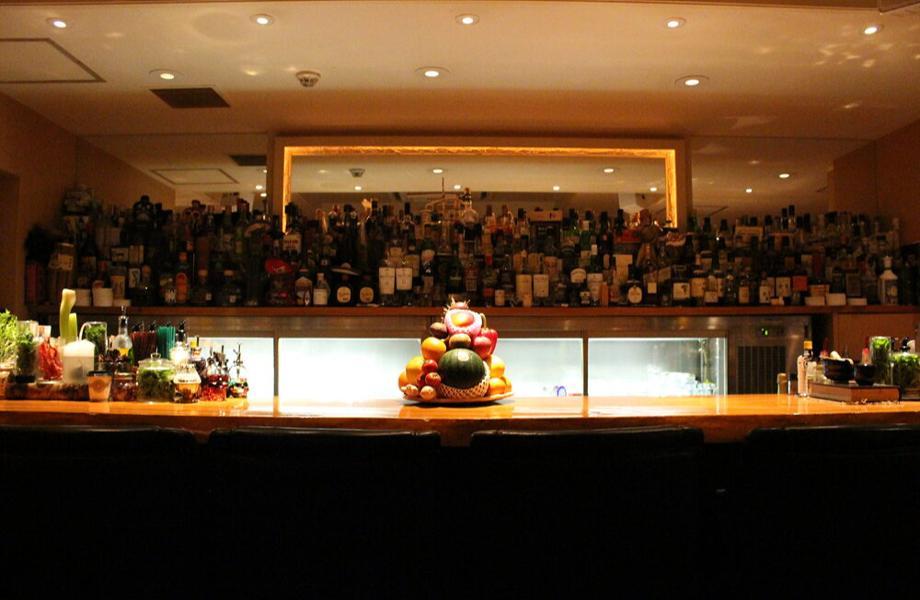 ★ TOP 1050 BESTCocktail Bar
Bar Orchard Ginza
Bar Orchard Ginza has no menu: seasonal fruit sits piled on the counter, you point at what looks good, and owner Takuo Miyanohara, often working solo, builds a bespoke drink around it. The fruit-first approach earned it No.28 on Asia's 50 Best Bars in 2019.
6-5-16 Ginza, Sanraku Building 7F, Chuo Ward, Tokyo 104-0061Full profile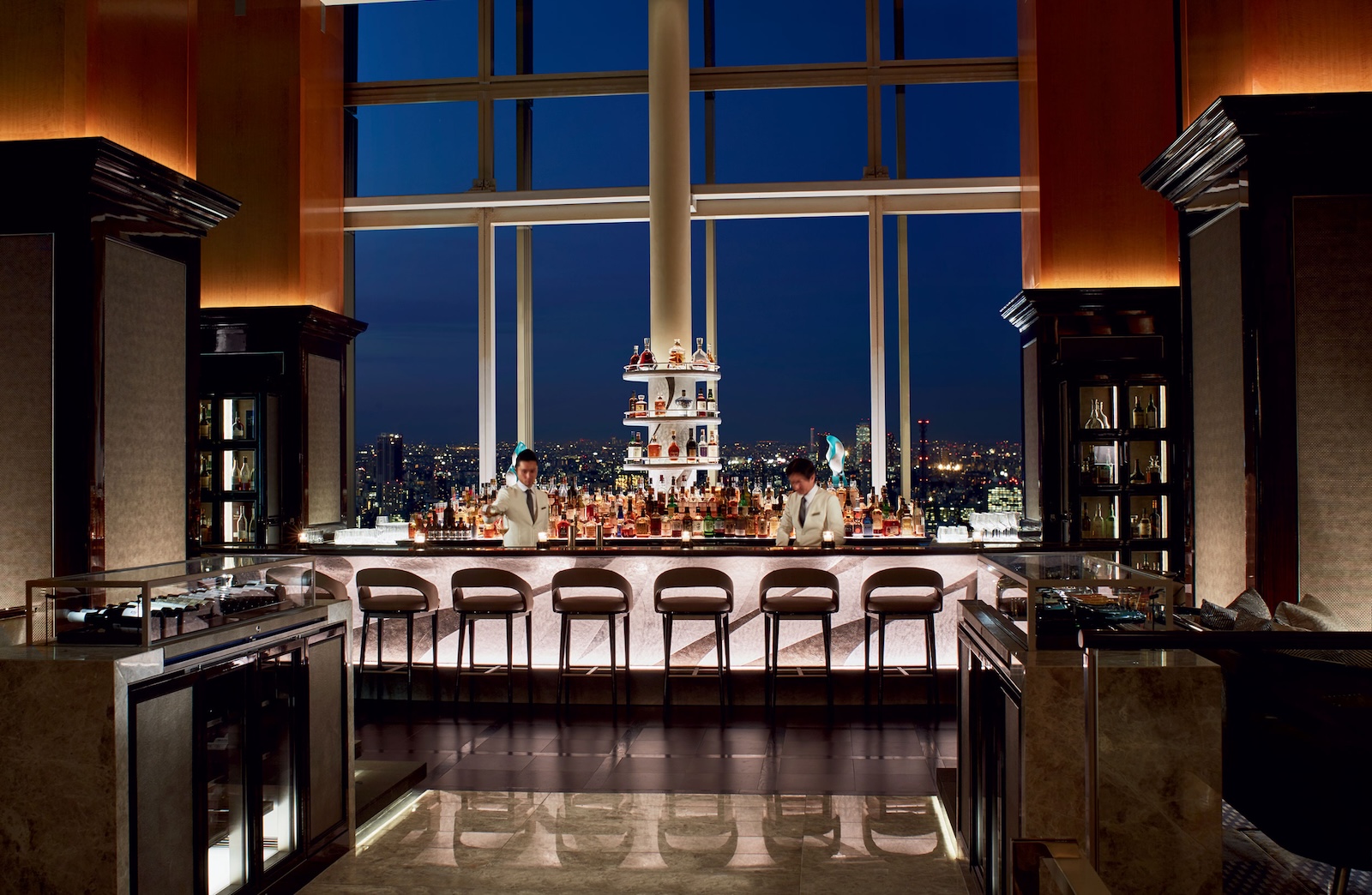 ASIA'S 50 BESTHotel Bar
The Bar at The Ritz-Carlton, Tokyo
The hotel's cocktail bar on the 45th floor of Tokyo Midtown, finished in marble and dark wood with floor-to-ceiling windows over the city. Head bartender Kentaro Wada, the 2018 Chivas Masters Japan champion, and his team build their drinks on micro-seasonal produce sourced directly from farmers and producers across Japan. The current menu, ORIGAMI, runs through January 2027 with six cocktails inspired by the art of paper folding, among them Kochō, a Vesper reworked with sencha and rose from Okuizumo. The bar also keeps wine, sake and a collection of rare Japanese whiskies, with live music every afternoon and evening. It is No. 75 on the Asia's 50 Best Bars 51-100 list in 2026.
9-7-1 Akasaka, Tokyo Midtown 45F, 107-6245Mon-Thu 15:00-23:30; Fri and days before public holidays 15:00-00:00; Sat 12:00-00:00; Sun 12:00-23:30Full profile- Gold Bar at EDITIONASIA'S 50 BESTCocktail Bar
Gold Bar at EDITION
'Modern Days of Golden Age' is the brief at Gold Bar: century-old classics elevated with Japanese flavors, poured in an 83-seat room of charred yakisugi timber and gold leaf at The Tokyo EDITION Toranomon. DJs play Thursday to Saturday from 8:30pm, and guest-bartender takeovers are a regular fixture. Signatures include the Grand Manhattan (¥3,200) and a Tequila Martini built on Don Julio 1942 (¥3,500).
Order thisGrand ManhattanL1 The Tokyo EDITION Toranomon, 4-1-1 Toranomon, Minato-ku, Tokyo 105-0001Tue-Thu 18:00-01:00, Fri-Sat 18:00-02:00, closed Sun-MonFull profile - Memento MoriASIA'S 50 BESTCocktail Bar
Memento Mori
Memento Mori is a cacao and botanical cocktail bar on the third floor of the Toranomon Hills Business Tower, led by bartender Shuzo Nagumo. The name is the Latin reminder that we must all die, and the bar honors the fruit, plants and flowers it uses by wasting as little as possible. Cacao appears in every form, from pulp and husk to nibs, cacao butter and couverture, and the team works with fair-trade suppliers such as Cacao Hunters that source from growers in Colombia. The Bean to Glass course opens with the Cacao Pulp Fizz, served in a cacao pod, and chocolate treats are paired with the drinks. It was No. 41 on Asia's 50 Best Bars 2022.
Toranomon Hills Business Tower 3F, 1-17-1 Toranomon, Minato-ku, Tokyo 105-6403Mon-Fri 16:00-23:00, Sat-Sun 14:00-23:00Full profile - Gen Yamamoto50 BESTCocktail Bar
Gen Yamamoto
Eight seats and no drinks list: Gen Yamamoto serves only omakase cocktail tasting courses, seven, six or five drinks (¥11,000, ¥10,000, ¥8,800), composed daily around seasonal produce from Japanese farms. Reservations are taken by phone only, up to seven days ahead.
1F Anniversary Building, 1-6-4 Azabu-Juban, Minato-ku, Tokyo 106-0045Tue-Sat 15:00-22:30, closed Sun-MonFull profile - FolkloreASIA'S 50 BESTCocktail Bar
Folklore
Folklore sits in Hibiya OKUROJI and comes from Spirits & Sharing, the Tokyo group behind Mixology Salon and Memento Mori. It calls itself a sake, shochu and mixology cocktail bar: Japanese sake, tea, shochu and domestic spirits are blended with Western spirits, and the vessels and ingredients reflect the terroir of the regions they come from. Past examples include a shochu martini infused with blue cheese brandy and a margarita made with two types of sake alongside tequila. Fumihiko Sano Studio designed the austere room with historic materials, including shingles and rafters from temples in Nagano and Yamagata. Seats can be booked online. It was No. 74 on the Asia's 50 Best Bars 51-100 list in 2024.
Hibiya OKUROJI G27, 1-7-1 Uchisaiwaicho, Chiyoda-ku, Tokyo 100-0011Mon-Fri 16:00-23:00, Sat-Sun 14:00-23:00Full profile 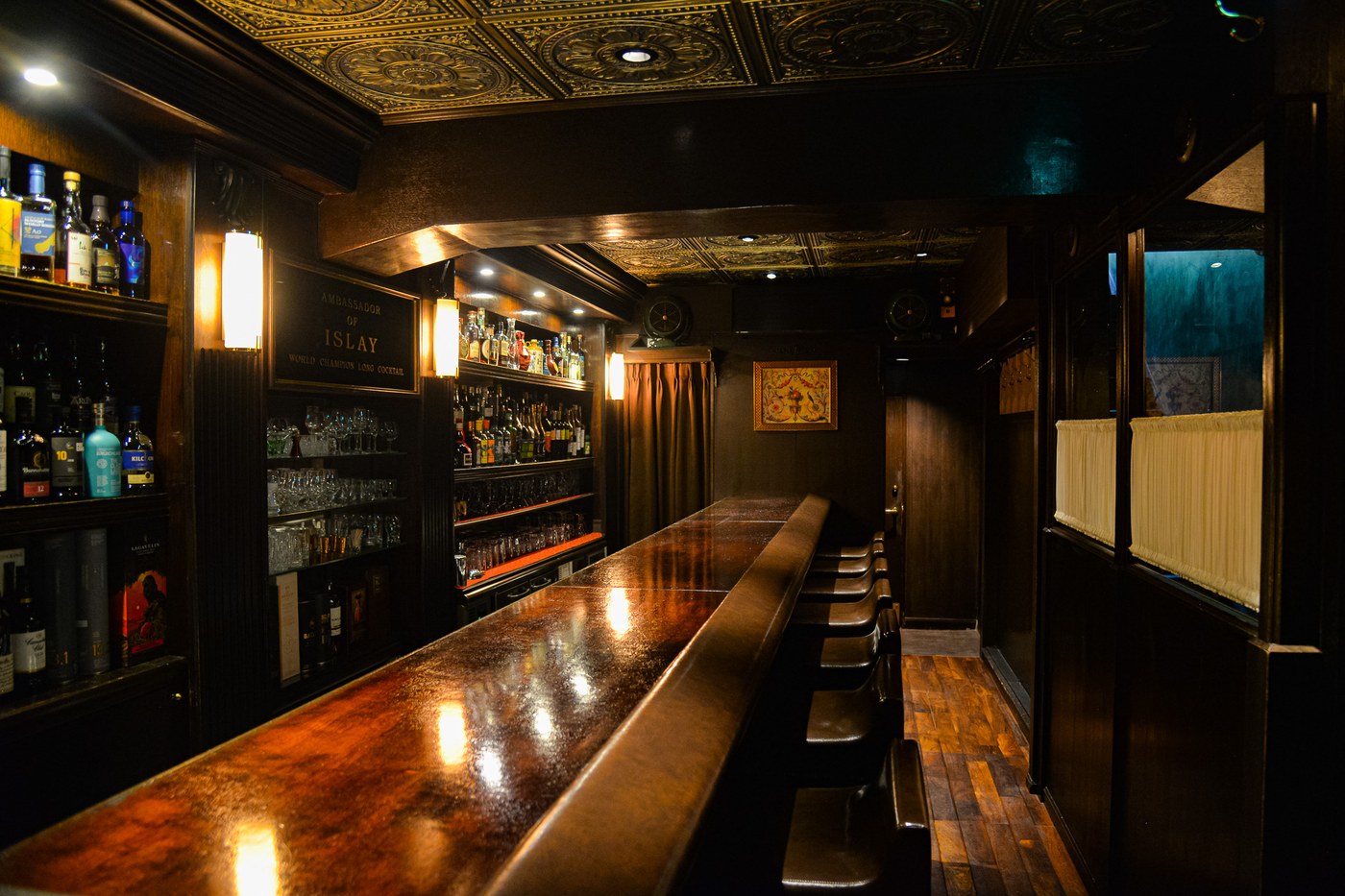 ASIA'S 50 BESTCocktail Bar
Star Bar
Star Bar is Ginza classicism at its most exacting: owner Hisashi Kishi, chairman of the Japan Bartenders Association and an IBA world champion, carves his 'NINJA ICE' by hand and holds the room to the same standard. The original of the STAR BAR group, it placed No.50 on Asia's 50 Best Bars in 2021. Cover charge ¥1,100.
B1F MODERNS GINZA, 1-5-13 Ginza, Chuo-ku, Tokyo 104-0061Full profile- Bvlgari Ginza BarASIA'S 50 BESTCocktail Bar
Bvlgari Ginza Bar
On the 10th floor of the Bvlgari Ginza Tower, the Bvlgari Ginza Bar relaunched its cocktail program in 2025 with 'Proverbi', ten cocktails and four mocktails each built on an Italian proverb, all ¥3,400, developed under the guidance of chef Niko Romito. Signatures include L'Intenditore (Vida mezcal, lacto-fermented tomato, Aperol, sparkling wine) and La Forza (Ki No Bi gin, yuzu sake, basil, Aperol).
Order thisL'IntenditoreVida mezcal, lacto-fermented tomato, Aperol, sparkling wine10F Bvlgari Ginza Tower, 2-7-12 Ginza, Chuo-ku, Tokyo 104-0061Sun-Wed 17:00-23:00, Thu-Sat 17:00-01:00Full profile - IshinohanaASIA'S 50 BESTCocktail Bar
Ishinohana
Ishinohana is a basement cocktail bar a minute's walk from Shibuya Station, opened in 2003 by owner-bartender Shinobu Ishigaki. Ishigaki won the senior category of the Bacardi Martini Grand Prix in Turin in 2005, and the bar is known for seasonal cocktails built on fresh fruit and herbs, with new recommendations every month; October 2026 brought a Verveine Collins and a fig, pistachio and Pernod daiquiri. The menu also runs house variations on the Old Fashioned, Negroni and Bloody Mary, such as a Japanese Old Fashioned with shiitake-infused whisky, maple syrup and umami bitters. Pizzas, cheese and small plates are served too. It was No. 56 on the Asia's 50 Best Bars 51-100 list in 2021.
B1, 3-6-2 Shibuya, Shibuya-ku, Tokyo 150-0002Mon-Tue 17:00-00:00, Wed-Thu closed, Fri-Sat 17:00-00:00, Sun 16:00-23:00Full profile - Bar LandscapeASIA'S 50 BESTCocktail Bar
Bar Landscape
Bar Landscape opened in April 2019 in a basement in Ginza's sixth block, run by husband-and-wife bartenders Kazuma and Tamiko Matsuo. The name stands for the bond between a place and the people who live there, and the couple travel to the regions where spirits and fruit are produced to bring that story back to the counter. Kazuma spent twelve and a half years at Little Smith and won Japan's national bartender skills competition in 2013; Tamiko trained under Takao Mori at Blossom and won the same title in 2016. The short list pairs classics such as the Gimlet and Martini with fresh fruit cocktails. It was No. 57 on the Asia's 50 Best Bars 51-100 list in 2021.
Sanwa Ginza Bldg. B1, 6-4-9 Ginza, Chuo-ku, Tokyo 104-0061Mon-Sat 16:00-00:00, Sun and holidays closedFull profile - Mixology HeritageASIA'S 50 BESTCocktail Bar
Mixology Heritage
Mixology Heritage opened in Hibiya OKUROJI in 2020 as the classic cocktail bar of Spirits & Sharing, the group behind Mixology Salon. Its motto, Beyond the Classic, means revisiting the canon of classic cocktails and then pushing past it. Vintage whiskies and spirits line the shelves behind the bar, and old bottles go into drinks such as the Ultimate Martini, made with gin from as far back as the 1950s and vermouth from the 1970s. Cocktails are also aged in house, maturing in jars on the back bar. The room has a pressed metal ceiling, a rustic wooden bar top and Renaissance paintings. It was No. 60 on the Asia's 50 Best Bars 51-100 list in 2021.
Hibiya OKUROJI G31, 1-7-1 Uchisaiwaicho, Chiyoda-ku, Tokyo 100-0011Mon-Fri 16:00-23:00, Sat-Sun and holidays 15:00-23:00Full profile - Mixology Salon GinzaASIA'S 50 BESTCocktail Bar
Mixology Salon Ginza
Mixology Salon sits on the 13th floor of the Ginza Six shopping complex, a bar built around tea and cocktails by Shuzo Nagumo. The specialty is the teatail: matcha, gyokuro, hojicha and other carefully chosen Japanese teas go into tea-infused spirits such as hojicha bourbon and buckwheat tea vodka. First-timers can take a teatail course of three to five drinks built around one tea, or order the Green Tea Fashioned. The small, minimal room seats about eight and opens from early afternoon. The group has since added branches in Singapore and Kyoto and, in September 2026, a larger Tokyo flagship in Yaesu. It made Asia's 50 Best Bars twice, highest at No. 40 in 2018, and was on the 51-100 list in 2021.
GINZA SIX 13F, 6-10-1 Ginza, Chuo-ku, Tokyo 104-0061Daily 13:00-23:00Full profile 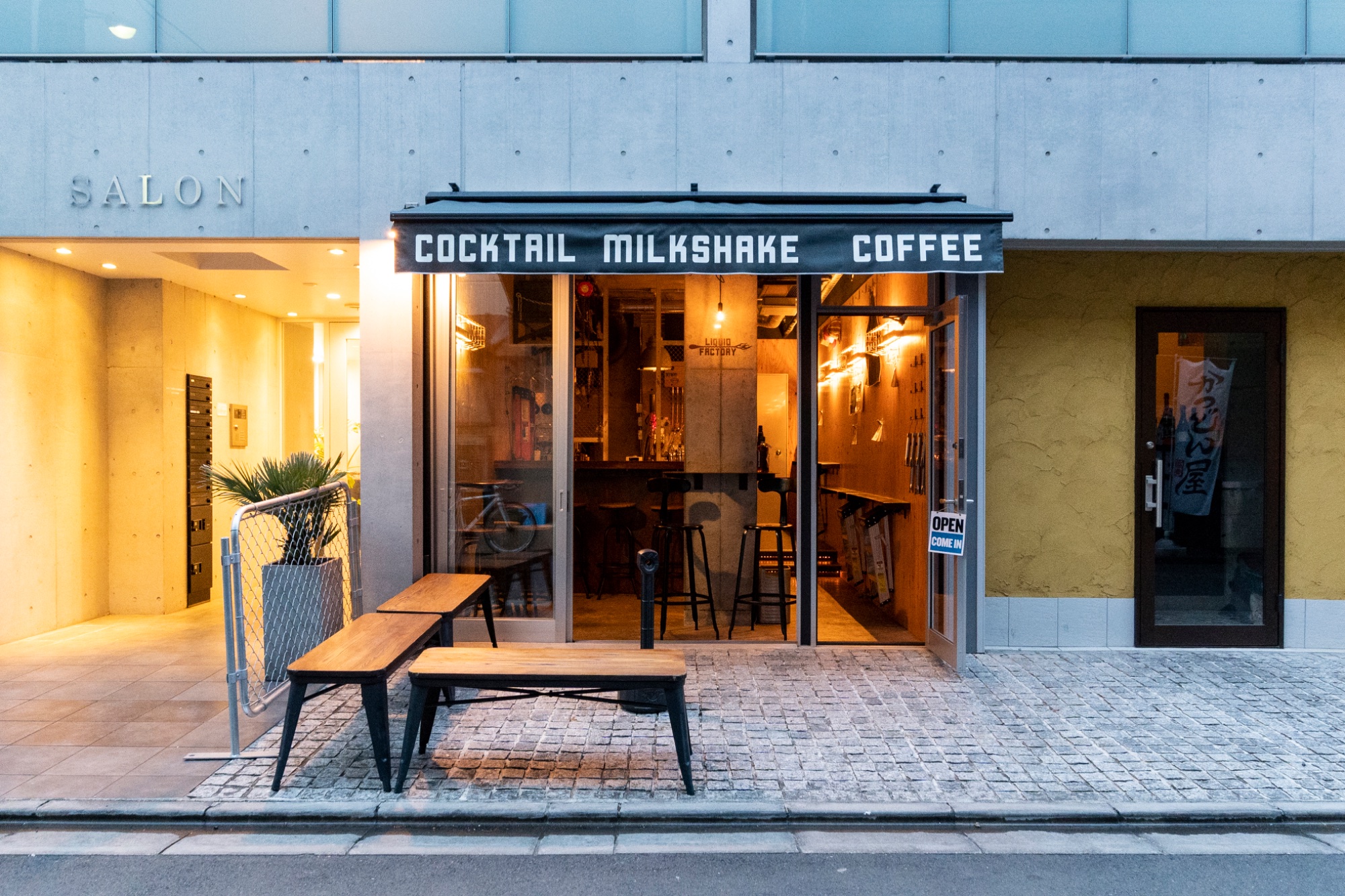 ASIA'S 50 BESTCocktail Bar
Liquid Factory
A cocktail bar run by Liquid Works, a Japanese bar-equipment and bartender-apparel company, which also uses the space as a development workshop and retail point for its tools. The room is fitted out in an industrial style and doubles as a place where bartenders test new drinks and ingredients. It trades through the day serving coffee, milkshakes and gin and tonic, switching to full cocktail service from 5pm.
42-12 Udagawacho, SALON Shibuya 1F, Room 101, 150-0042Tue-Sun 16:00-00:00 Mon ClosedFull profile- Bar CentifoliaCocktail Bar
Bar Centifolia
Bar Centifolia opened in Azabu-Juban in 2018 under owner-bartender Yuzo Komai, who came to Tokyo from Fukuoka, and takes its name from the hundred-petal Centifolia rose. The small room is fitted out in wood and marble, with a collection of more than 100 antique glasses on the shelves behind the bar, and Komai makes both classics and house specials. It works by reservation only, with a fee for table or counter seats and drinks from 4,000 yen.
6F, 1-6-5 Azabu-Juban, Minato-ku, Tokyo 106-0045Mon-Tue 20:30-03:00, Thu-Sat 20:30-03:00, closed Wed and SunFull profile
More of Tokyo
These are the cocktail bars specifically. The full Tokyo guide ranks the best bars of every style, and the directory lists all 38 with a map and filters.