What is considered the oldest written punch recipe in Japan is back on the menu at Punch Room Tokyo. A Nagasaki record from 1799 notes a mixed drink called “Ponsu,” favored by Dutch traders in the port, and it may also be the origin of the word ponzu. More than two centuries later it returns in a new form as Waran’s Ponsu, one of the drinks on Wonderland Vol. 3, the bar’s new menu, which launched on October 28, 2026 on the lobby mezzanine of The Tokyo EDITION, Ginza
The menu is led by Yasuhiro Kawakubo, Director of Bars at the hotel, and it holds 20 new drinks, four returning favorites and a seasonal fruit punch. It is built around the bar’s five pillars of spirit, citrus, sugar, spice and tea, each paired with a part of Japanese culture. Where Wonderland Vol. 2 explored Japan through an outsider’s lens, this one turns to the country’s own drinking history and the flavors of everyday life.
Three drinks anchor that look back. Waran’s Ponsu revisits the Nagasaki recipe. Windjammer Punch pays tribute to the Jack Tar, a once-ubiquitous Yokohama cocktail of the 1950s that was at risk of disappearing when the bar that created it closed in 2024. Sol Kobeno reworks the nearly forgotten Sol Cubano, an original drink from the 1980s, a decade whose overlooked drinks Kawakubo has long drawn on.

These are reinterpretations rather than straight reproductions. Kawakubo sets each drink’s structure, name and story, then hands the brief to bartenders Kenta Aoyama and Shunpei Hayakawa. Each develops a version independently, the two are tasted side by side, and the one that best captures the original idea and tastes strongest earns its place on the menu.
Kawakubo’s interest in bartending began at fifteen, after he discovered a bartending book. He started his career in 2005 and has helped open bars and develop menus in Singapore, Paris and Sydney. After returning to Japan in 2020, he held bar manager roles at international hotels and Bvlgari Ginza Bar before taking his current role.
The full list runs through five chapters. Port town (spirits) looks to the 19th-century harbors of Yokohama, Kobe and Nagasaki, Yokai (citrus) draws on Japanese folklore, Wagashi (sweetener) reworks traditional confectionery, Kissaten (tea) takes its cues from café culture, and Japanese Food (spice) explores the country’s bolder, savory flavors. Kare~Margarita draws on home-style Japanese curry, while Melon Soda…? takes its cue from the familiar flavors of kissaten, Japan’s old-school cafés.

Ingredients come from across Japan, with priority given to those produced as close to Ginza as possible. Daidai vinegar and shochu-based umeshu both feature, and Kappa & Yuzu is built on unfiltered, small-batch doburoku from Konohanano Brewery in Asakusa. California-born, Tokyo-based illustrator Erica Ward created original artwork for the menus, work that Kawakubo describes as “a perfect fit for expressing the fusion of Western and Japanese cultures.”
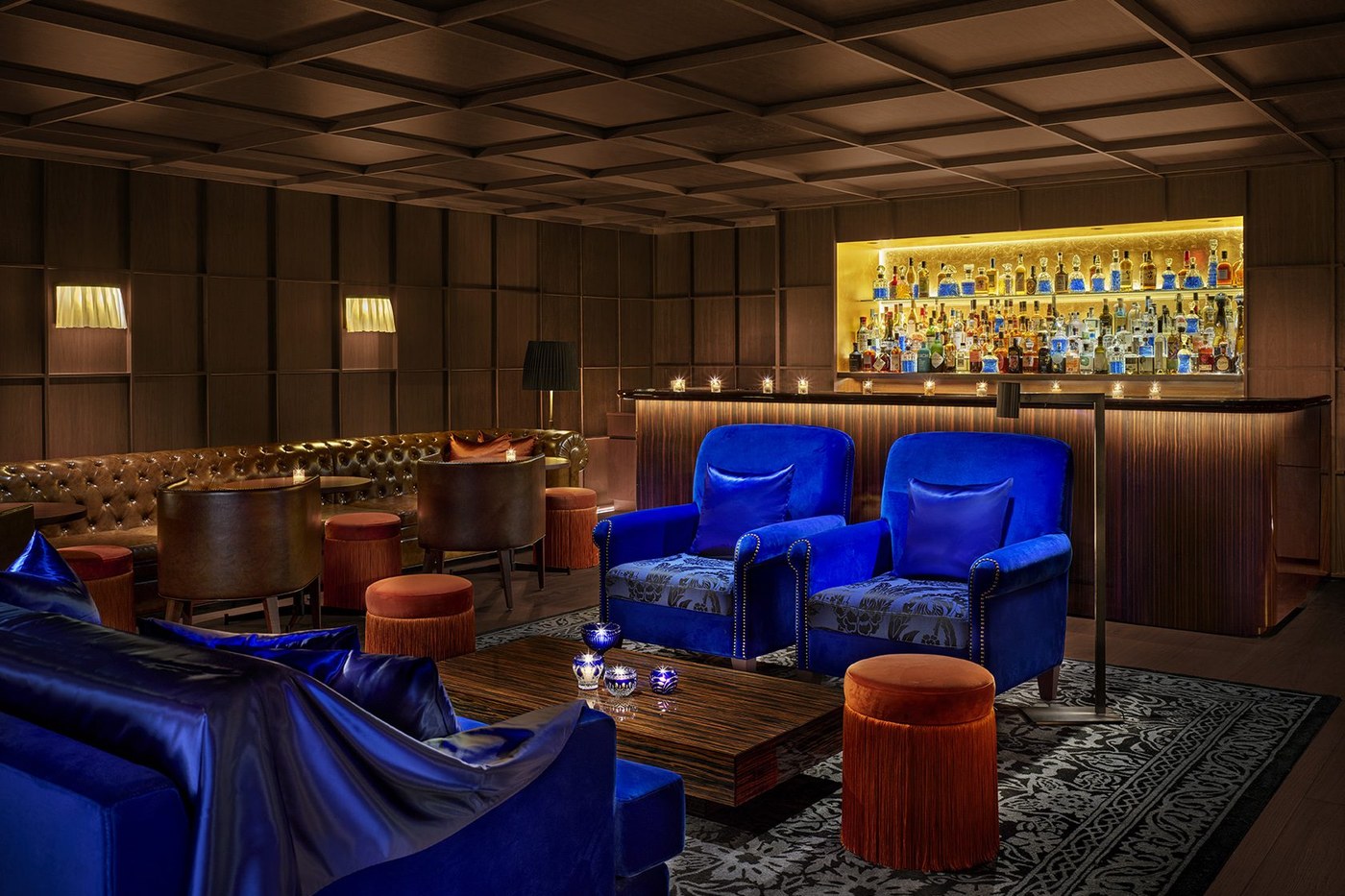
The format changes with the size of the table. Order a drink alone and it comes by the glass. Order the same drink with company and it arrives in a silver punch bowl with a ladle for sharing, an echo of the 19th-century London private clubs where punch was passed among guests. The bowls land in a room framed by coffered dark-walnut walls and ceilings, with jewel-toned brocade upholstery.

Punch Room began at The London EDITION in 2013, and Punch Room Tokyo is the concept’s first outpost in Japan. The new menu follows a strong year for the bar. At Asia’s 50 Best Bars 2026, announced in Macau on July 28, it rose 13 places to No. 23 and was named The Best Bar in Japan, the highest-ranked Japanese bar on the list. Signature drinks on Wonderland Vol. 3 are JPY 3,000, and low-alcohol and non-alcoholic drinks start at JPY 2,200, with 10% consumption tax and 15% service charge included.