


Cocktail trends 2026 is defined by a single tension: consumers are drinking less but demanding more craft, more theater and more meaning. Whether you’re running a bar program or simply trying to stay ahead of the industry, these are the six shifts that matter most this year.
1. The Agave Boom Shows No Signs of Slowing
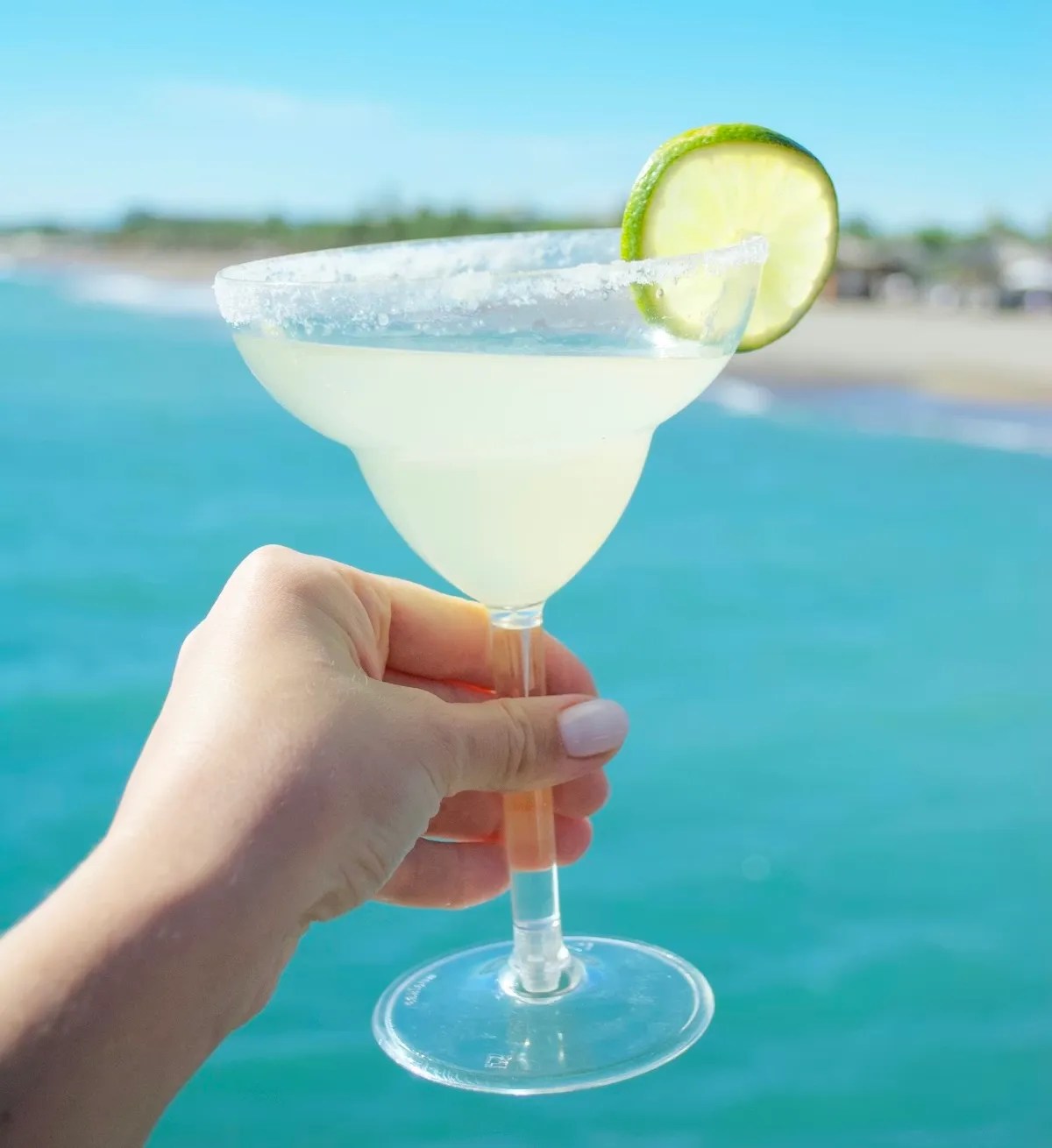
Tequila and mezcal continue their extraordinary run. The global tequila market was valued at $11.69 billion in 2024 and is forecast to reach $18.58 billion by 2032, a compound annual growth rate of nearly 6%. According to the IWSR Drinks Market Analysis, mezcal is growing even faster, projected at almost 11% CAGR through to 2034.
Premiumisation is the dominant force: consumers are willing to spend more on 100% agave expressions, small-batch releases, and terroir-driven bottles that tell a story of place. In the US alone, canned tequila cocktails saw a 23% year-on-year increase in retail sales, with over 70 new RTD agave products launched globally.
The growth is no longer just a North American story. Sales are climbing meaningfully in China, Australia, Japan, and India. For bartenders and buyers, agave fluency is now a global professional requirement. Expect more mezcal-forward serves, a greater focus on regional agave varieties beyond espadín, and a growing conversation around sustainability.
2. No/Low ABV Goes from Niche to Normal

Thirty percent of US consumers are actively reducing their alcohol intake, and among Gen Z the shift is even more pronounced. According to the Distilled Spirits Council, non-alcoholic beverages grew an estimated 10% in 2024, and in Europe, no/low ABV launches are now growing five times faster than their alcoholic counterparts.
The most significant development is not volume — it is quality. A new generation of non-alcoholic spirits, complex botanical blends, and alcohol-free agave expressions have given bartenders the tools to build genuinely sophisticated zero-proof serves. Non-alcoholic-only bars are now a real hospitality category in their own right.
Programs that treat the low/no section as an afterthought are increasingly leaving money on the table. Guests who are drinking less still want complexity, craft, and inclusion in the glass — and are often willing to pay for it.
3. Maximalism Is Back Behind the Bar
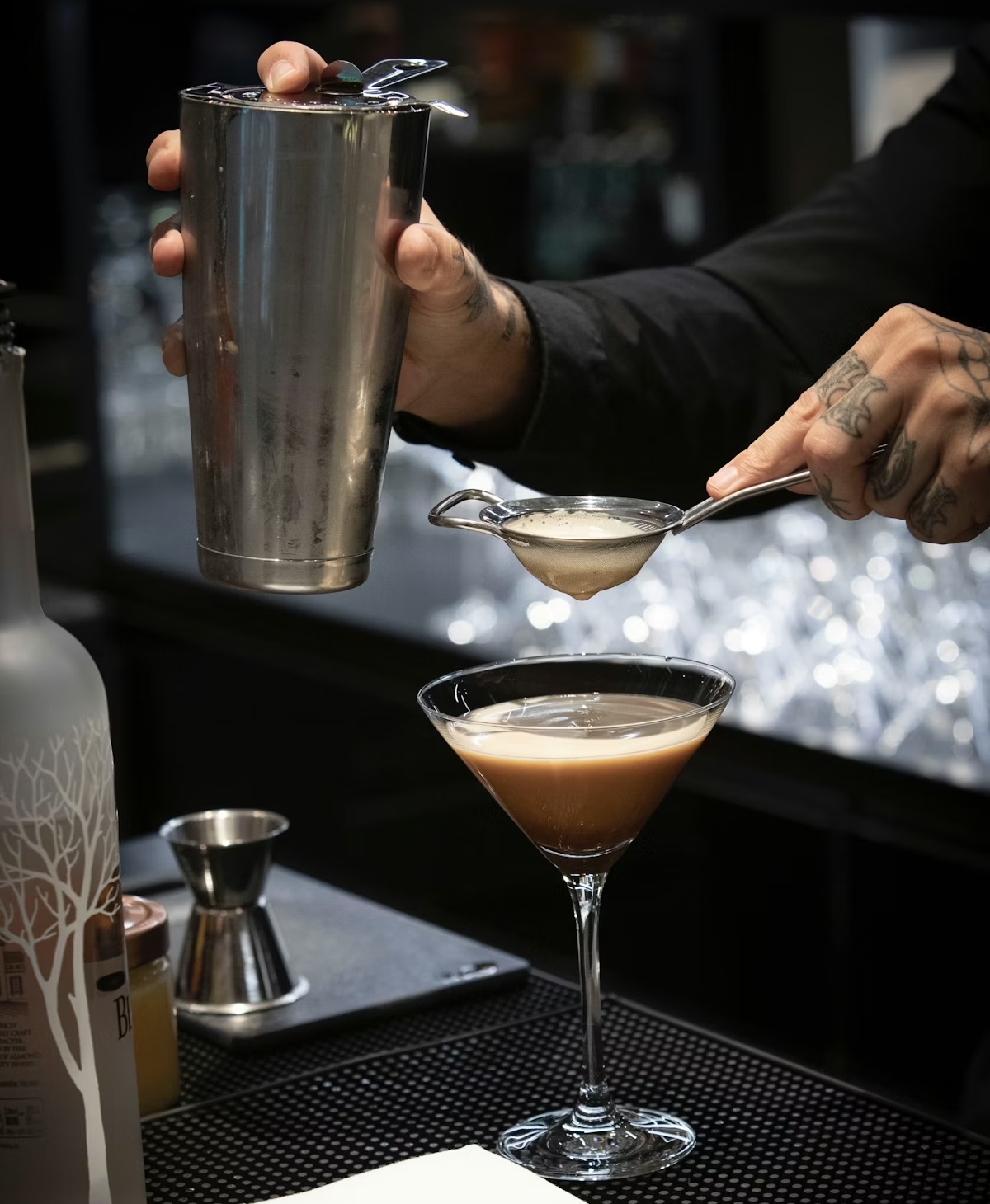
After years of restraint and quiet luxury, the pendulum is swinging back hard. According to the Bacardi 2026 Cocktail Trends Report, more than three-quarters of consumers explicitly value heightened, memorable experiences when they go out for a drink.
The result is a return to spectacle: edible pearls, metallic garnishes, fire presentations, oversized glassware, tableside theater. The difference from the maximalism of a decade ago is that today’s theatrical serves are expected to deliver on flavor as well as presentation. It is no longer enough for a drink to look extraordinary; it has to taste that way too.
Bartenders who can perform — explain, present, and narrate a drink’s journey — are in high demand. The World’s 50 Best Bars shortlist reflects this shift, with theatrical, experience-driven programs increasingly prominent. Investment in presentation, training, and the physical theater of the bar now has a clear return: consumers are spending on experiences they can talk about and remember.
4. Savory and Umami Flavor Profiles Move Into the Mainstream
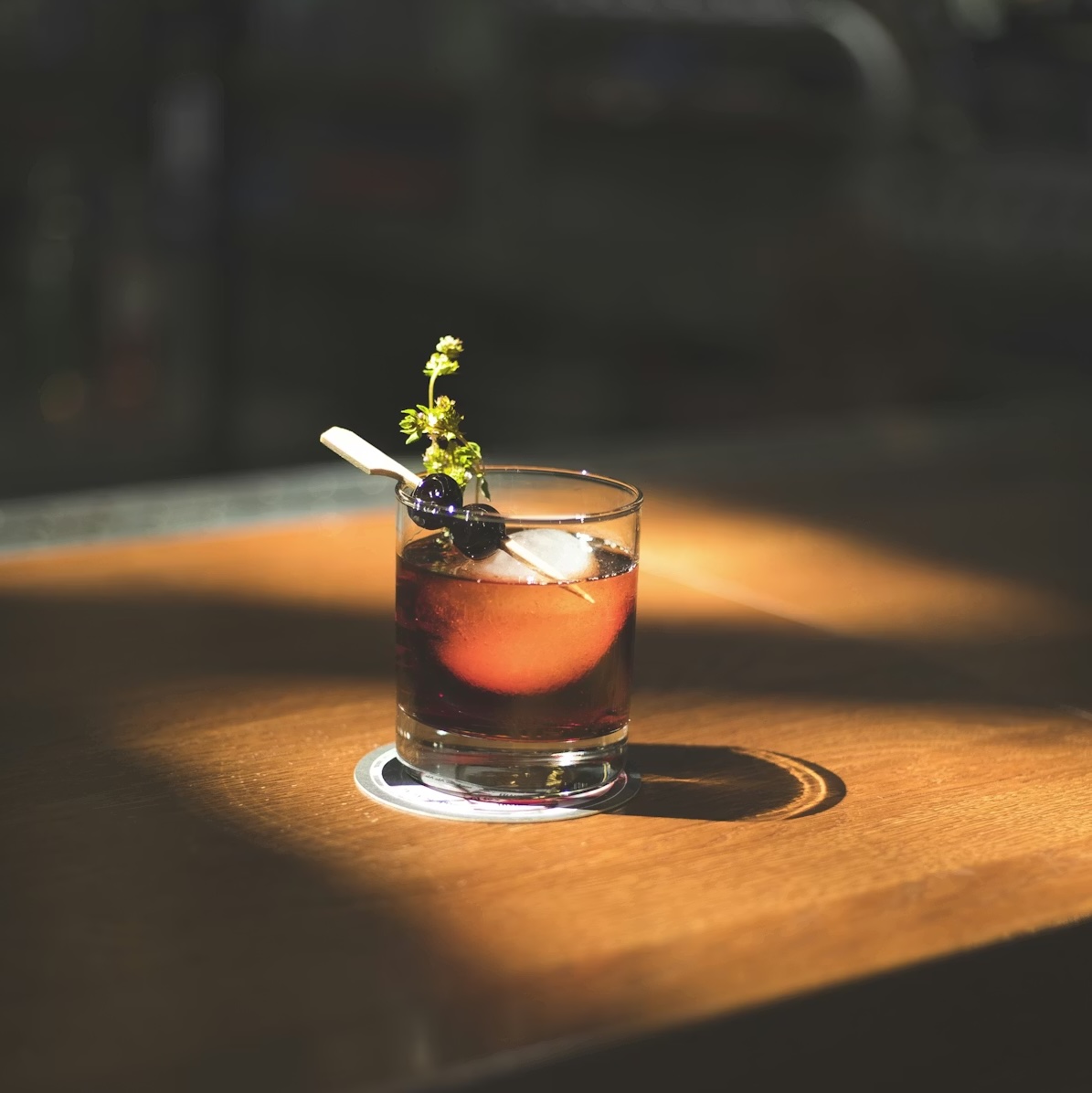
The migration of flavor principles from the kitchen into the cocktail glass is accelerating in 2026. Savory cocktails built around umami-rich ingredients — miso, seaweed, mushroom, fermented soy — are appearing on the menus of serious bars around the world. VinePair’s annual bartender survey found the flavors most anticipated for 2026 span spicy peppers, fermented additions, and even cheese.
Japanese ingredients are at the forefront: shochu, sake, yuzu, shiso, and sesame are becoming part of the working vocabulary of ambitious programs globally. The broader “drinkable dish” concept — cocktails that reference a specific cuisine or ingredient story — fits neatly alongside the maximalist presentation trend.
Salinity is another dimension gaining traction. Beyond brine washes, bartenders are exploring preserved lemons, miso rinses, and fermented hot sauces to add complexity that cuts through sweetness and extends the finish. For consumers accustomed to sweetness as the primary cocktail register, this is a genuinely new flavor experience that generates conversation and repeat visits.
5. The Daycap and the Afternoon Drinking Renaissance
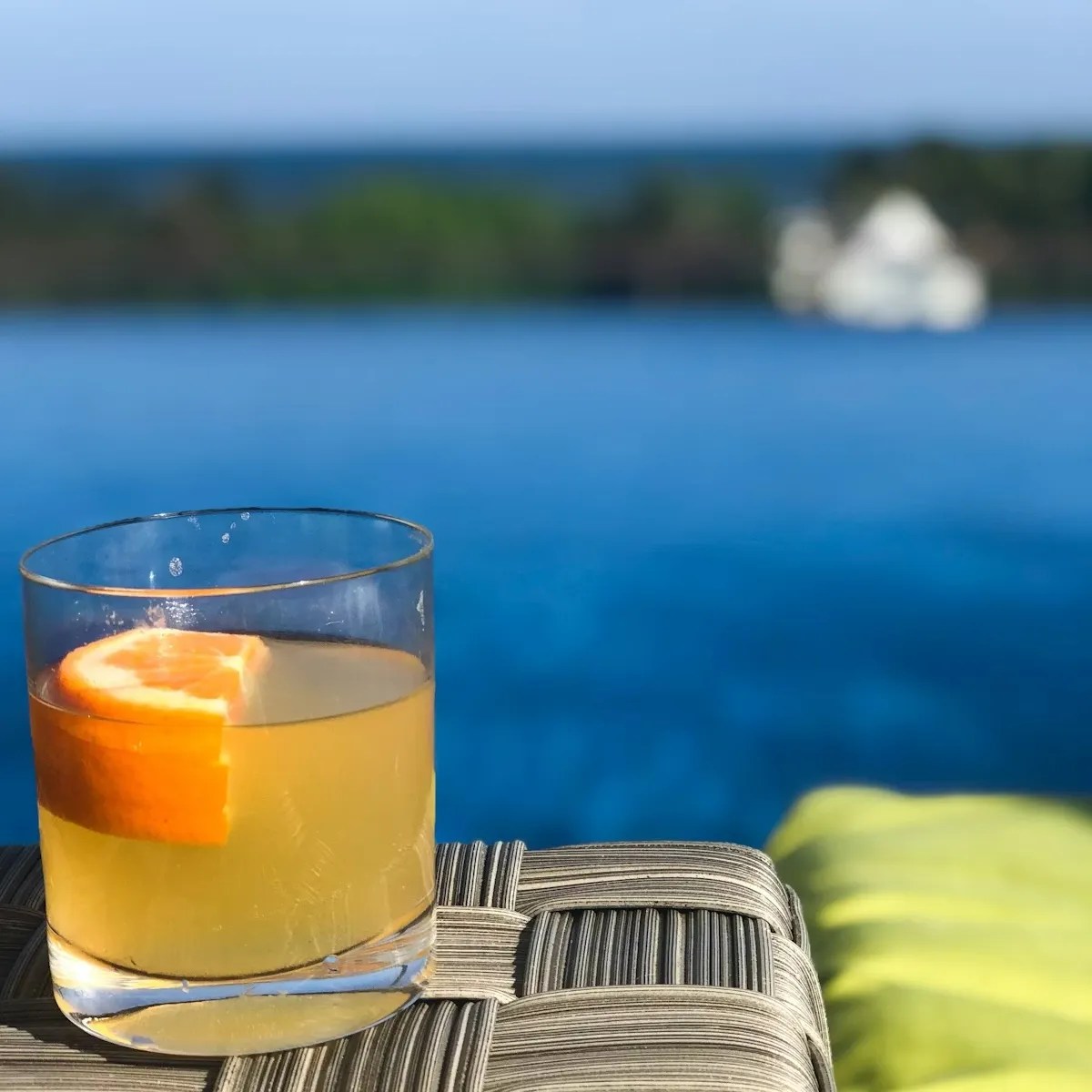
The Bacardi 2026 report names an emerging phenomenon: the “daycap.” Think of it as the bookend drink to the nightcap — a cocktail enjoyed in the late afternoon to close the workday and transition into evening, rather than to end the night.
Remote and hybrid working patterns have dissolved the traditional post-work drinking rush. Gen Z is drinking earlier, lighter, and with more intention, trading late nights for afternoon aperitivo hours and seeing the well-made cocktail as a moment of personal celebration rather than a social lubricant. Wine Enthusiast’s 2026 trends report called this “happy hour on steroids.”
For bar operators, the opportunity is clear: afternoon programming, daytime menus built around the aperitif spirit, and spaces that feel welcoming at 4pm as well as midnight are increasingly competitive advantages. The pairing of a well-made martini with something small and indulgent to eat is becoming a recognized hospitality format in major markets.
6. Coffee Cocktails Evolve Beyond the Espresso Martini
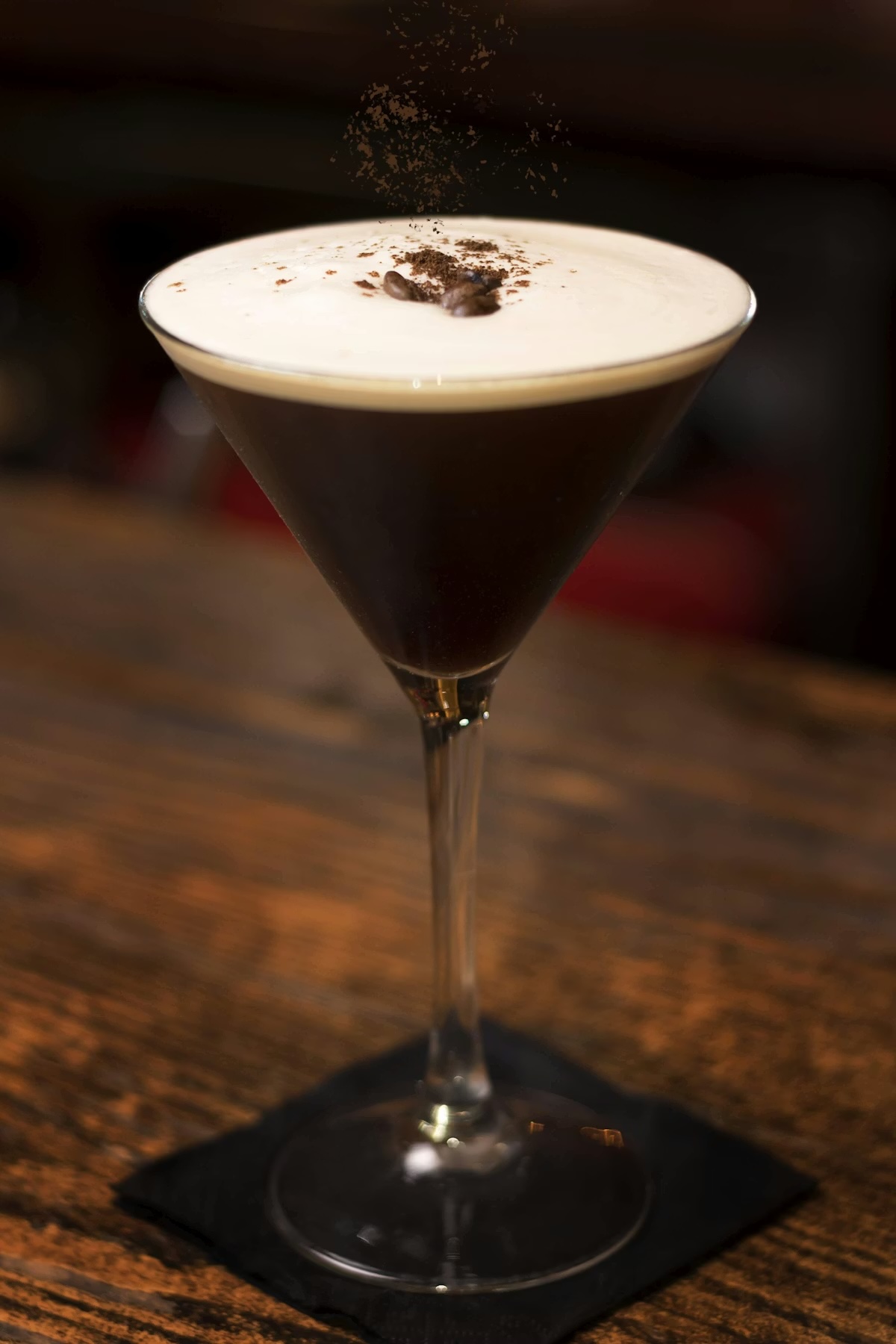
The espresso martini has spent three years as the drink of the moment, and while it shows no sign of leaving menus, it is now functioning less as a trend and more as a cornerstone category that has opened the door to a much wider conversation about coffee and spirits.
Current innovation is moving beyond the formula: cold brew variations that skip the coffee liqueur, carajillo riffs (the Spanish-Mexican tradition of espresso with Licor 43), coffee-washed spirits, and affogato-inspired serves are all finding their audiences. Tea is entering the picture alongside coffee as a carrier of complexity — cold-brewed teas, kombucha-based mixers, and fermented botanical drinks are giving bartenders a new flavor palette.
Coffee cocktails also sit at the intersection of several other 2026 trends: they lend themselves to theatrical presentation, have genuine umami depth at certain roast profiles, work brilliantly as daycap drinks, and in their non-alcoholic forms can stand convincingly alongside alcoholic counterparts.
The Bigger Picture
The bar industry in 2026 is navigating a consumer base that is simultaneously drinking less and demanding more craft, more experience and more theater. The bars that thrive are those that see these shifts as complementary, and that build programs thoughtful enough to serve the guest who wants a spectacular cocktail as well as the one beside them who wants something equally considered with no alcohol in it at all.
The agave boom tells us provenance matters. The no/low movement tells us inclusion matters. The maximalism trend tells us memory and spectacle matter. Put them together and it is a picture of an industry that, despite economic pressures and shifting demographics, is in a genuinely creative and compelling moment.
That is not a bad place to be.

